
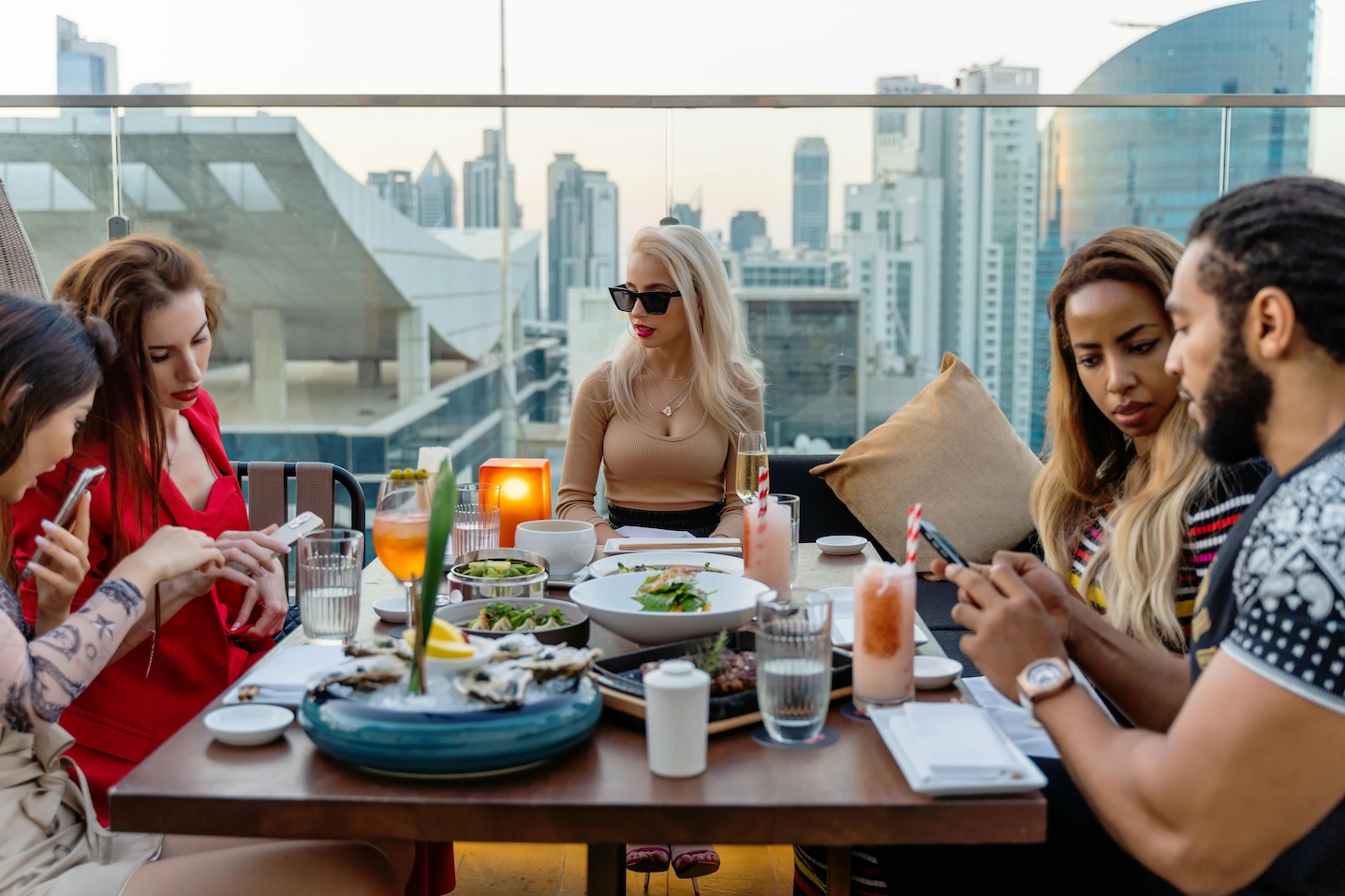
In Dubai’s hyper-competitive hospitality market, restaurant location is no longer just about visibility – it’s about survival. With rising rents, stricter landlords, limited premium spaces, and an ever-expanding pipeline of new developments, choosing the right restaurant site in the UAE requires strategy, discipline, and deep market awareness.
Getting your restaurant location wrong can kill your business before it even starts.
If you’re planning to open a restaurant in Dubai, this guide will help you approach site selection with the precision it demands.
Interested in how Zeora could help you secure the best location? Book a quick, non-obligatory consultation in our calendar, and let’s discuss your needs!
Dubai has always been competitive. But today, the margin for error is thinner than ever.
Several forces are reshaping the restaurant landscape:
In this environment, a poor location decision doesn’t just reduce profitability – it can prevent break-even altogether.
Your location determines:
No marketing strategy can fully compensate for a fundamentally weak site.
One of the most important principles in restaurant site selection in the UAE is this:
This includes:
Why 15%?
Because restaurants operate on thin margins. If your rent climbs above that threshold, you begin to squeeze:
In Dubai, it’s easy to fall in love with a premium location – especially in a high-end mall or waterfront development. But prestige does not equal profitability.
If your numbers don’t work on conservative revenue projections, the site is too expensive. Period.
Choosing a restaurant location in Dubai requires more than spotting a busy place. It’s a structured decision-making process.
Not all foot traffic is equal.
A high-footfall mall may look impressive – but if your concept doesn’t align with the audience, you’re paying premium rent for the wrong demographic.
Ask:
A breakfast café near residential towers behaves differently from a fine-dining concept in a hotel cluster.
Volume without alignment is a trap.
Dubai is a city of micro-markets.
Each district has its own demographic mix:
Your concept must match the lifestyle patterns of the surrounding community.
If your price point or cuisine doesn’t fit local spending habits, the location will work against you.
Can customers:
In Dubai, parking availability can make or break casual dining concepts.
Similarly, hidden units in large developments often struggle unless they’re strong destination brands.
If you need heavy marketing just to explain where you are, you’ve already created friction.
Restaurant site selection in the UAE is not just commercial – it’s regulatory.
Before signing any lease, verify:
(To learn more about licensing, see our blog on Dubai Food Code)
Retrofitting infrastructure can add massive capital costs.
A “great deal” on rent often hides expensive compliance challenges.
So the final advice is – be patient and very well prepared.
Thinking about opening a restaurant in Dubai? Book a quick, non-obligatory consultation in our calendar, and let’s discuss how we can make things easier for you!